In modern industrial environments, the right cable and connector solutions are critical to system reliability, operational safety, and overall equipment availability. Jacket materials, UL classifications, and technical specifications directly determine where and how cables and connectors may be installed.
This overview explains how cable types and certifications work together and why selecting the correct connector for a specific cable is essential for compliant and long-lasting industrial connections.
Jacket Materials – The Foundation of Cable Performance
The jacket material defines a cable’s mechanical strength, flexibility, chemical resistance, and environmental durability. Selecting the right jacket is essential for ensuring reliable performance across different industrial applications.

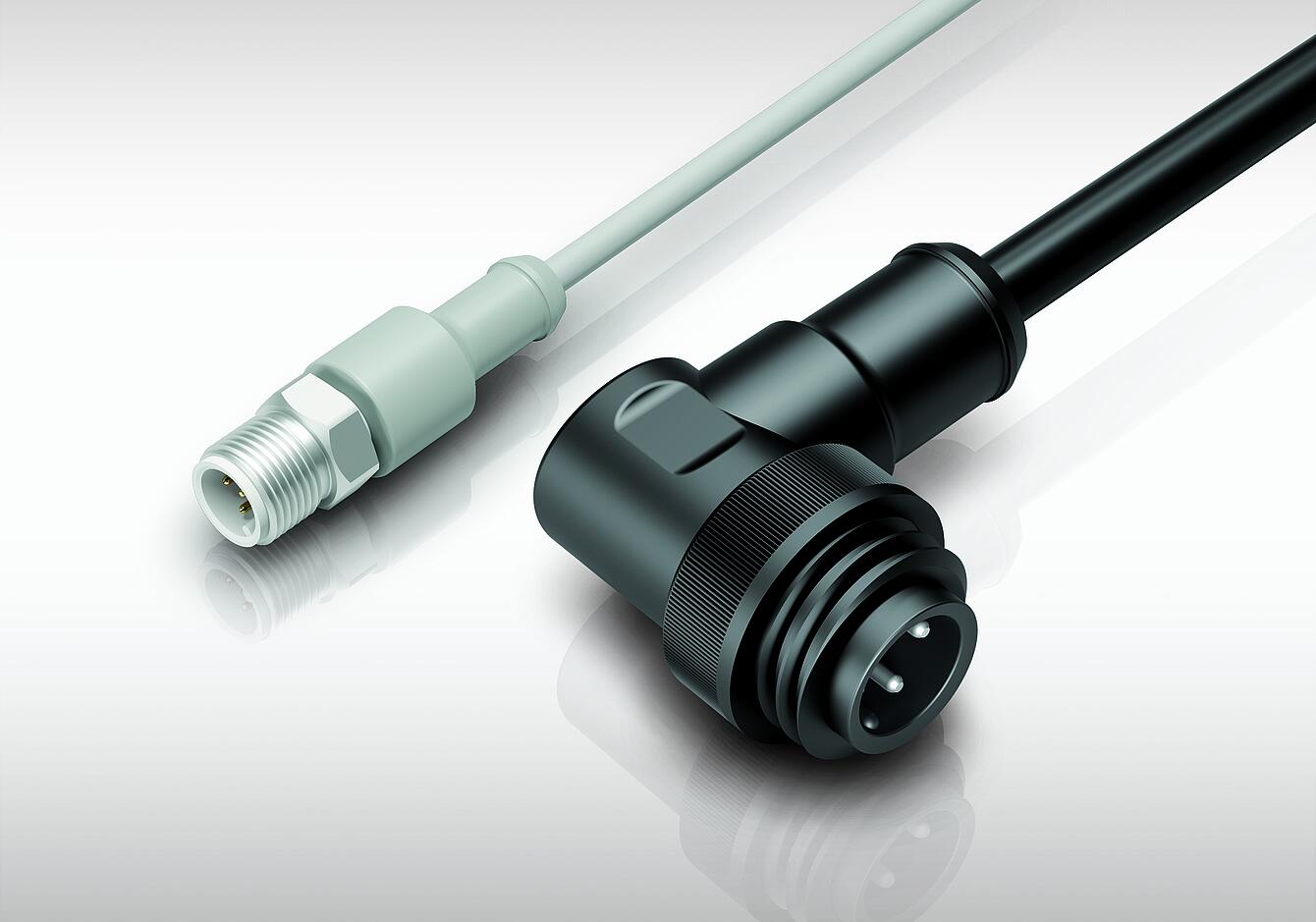
PVC – The Universal Standard
PVC (Polyvinyl Chloride) is widely used in industrial cabling due to its versatility and cost efficiency. It performs well in standard environments with limited mechanical or chemical stress.
- Relatively cost-effective solution
- Good flexibility
- Suitable for fixed installations and control cabinet wiring
- Common in food & beverage, chemical processing, and high-temperature environments)
PUR – The Rugged Industrial Standard
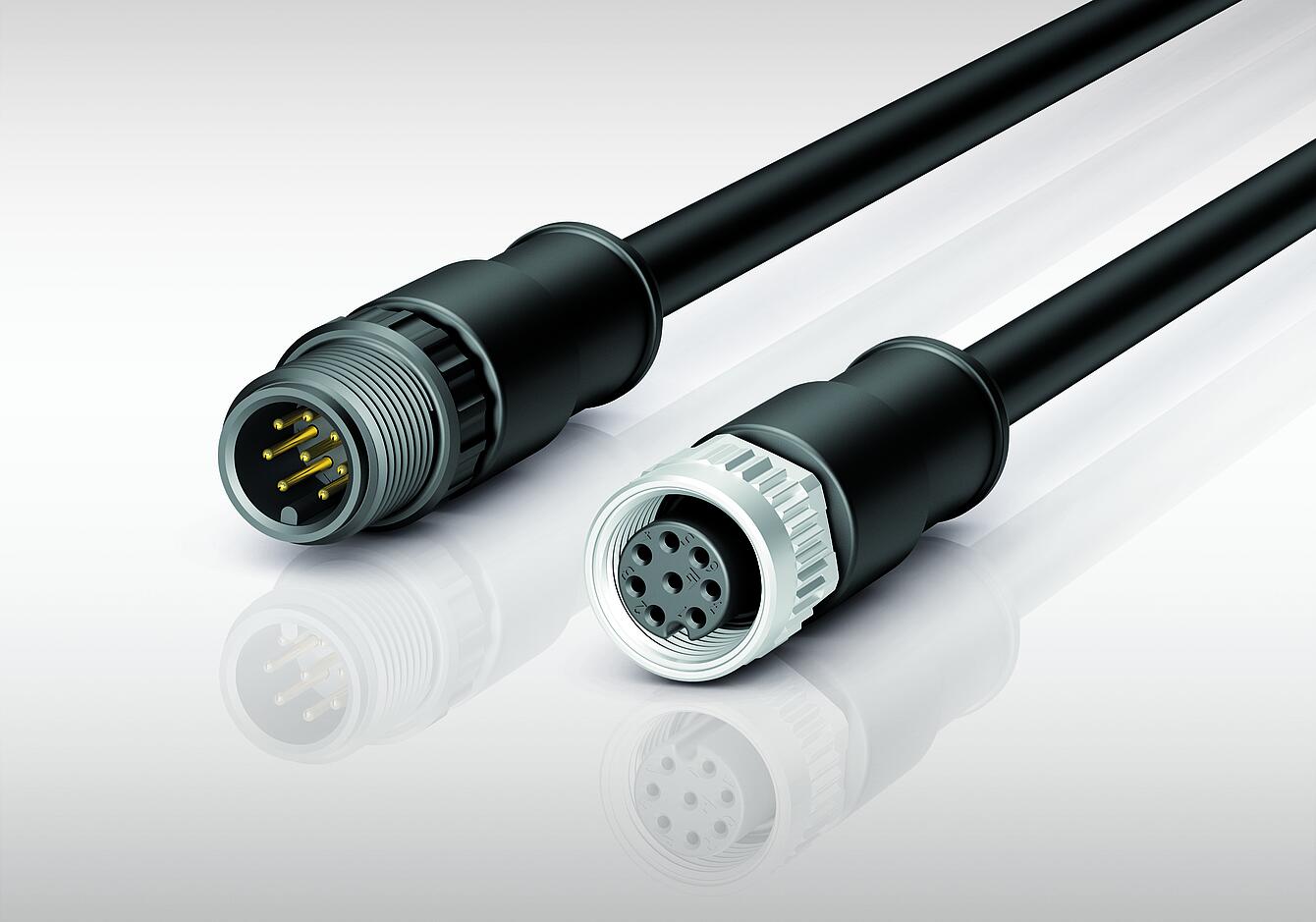
PUR (Polyurethane) is designed for harsh industrial conditions where mechanical stress and chemical exposure are common. It is a preferred choice for dynamic and high-wear applications.
- Excellent resistance to oils, chemicals, and coolants
- High abrasion resistance
- Halogen free
- Many cables with LSZH (Low Smoke, Zero Halogen) rating
- Ideal for drag chain, robotics, and continuous motion
TPE – Flexible Across Temperature Extremes
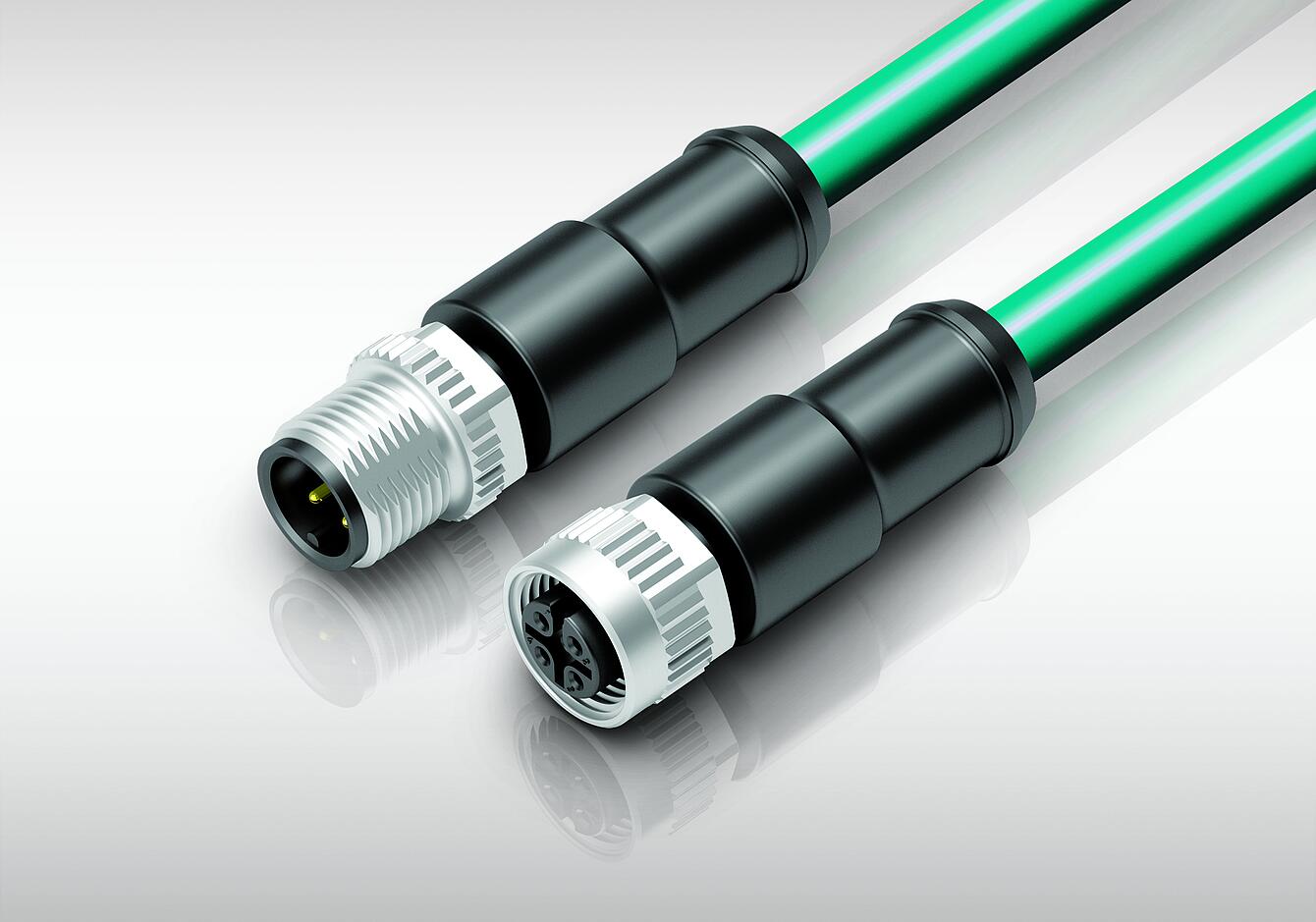
TPE (Thermoplastic Elastomer) combines elasticity with durability and remains flexible even at very low temperatures. It is often selected for applications exposed to changing environmental conditions.
- Outstanding flexibility, including in cold environments
- Halogen-free
- Many cables with LSZH (Low Smoke, Zero Halogen) rating
- Suitable for outdoor use and sensor/actuator technology
- Reliable performance in dynamic applications
TPU – High Mechanical Strength and Versatility
TPU (Thermoplastic Polyurethane) offers a strong balance between flexibility and robustness. It is commonly used where abrasion resistance and long service life are required.
- Very good mechanical strength
- High abrasion and wear resistance
- Suitable for moving applications and vibration-prone environments
- Common in industrial automation and equipment wiring
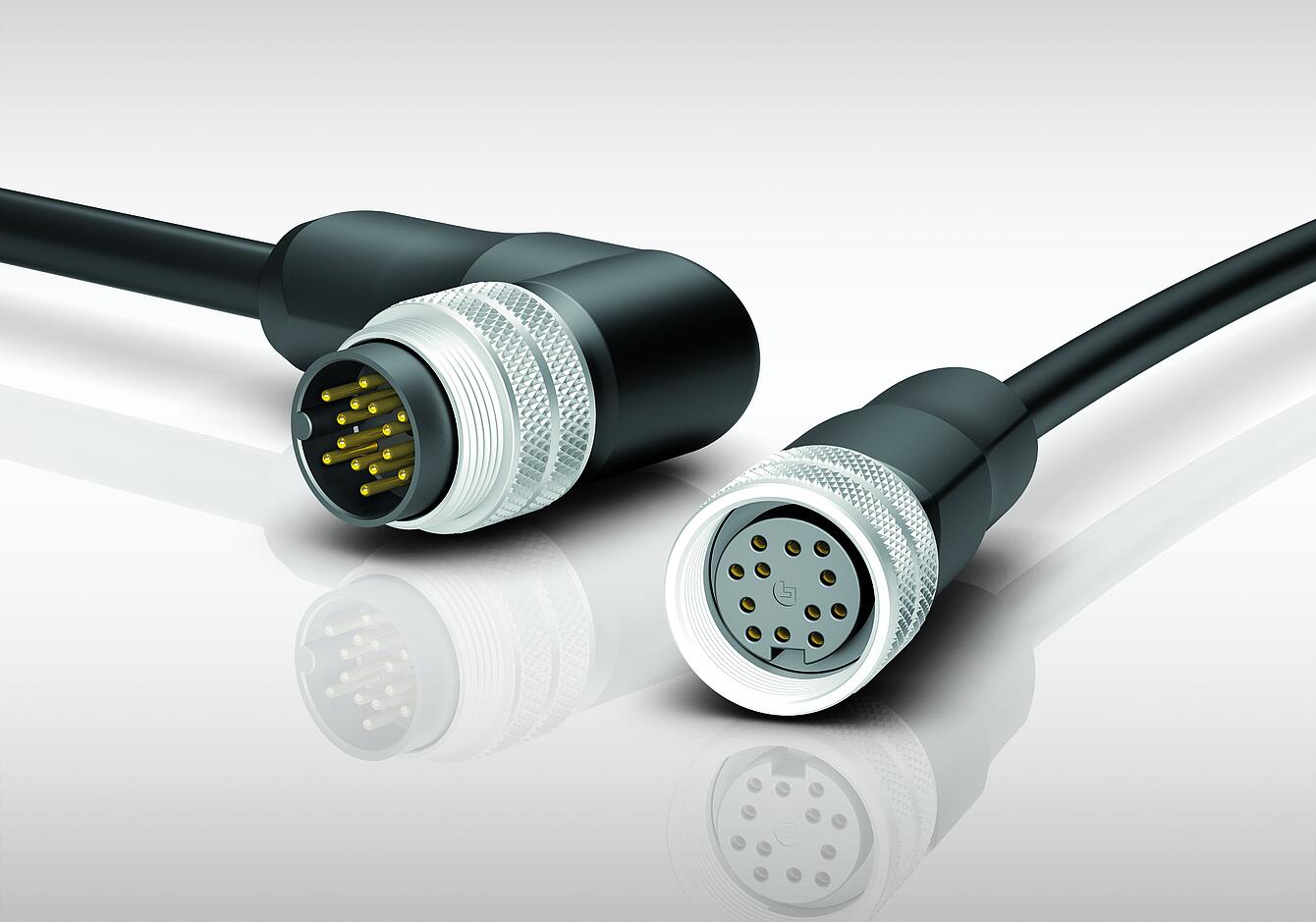
TPE-U – Elastic and Durable
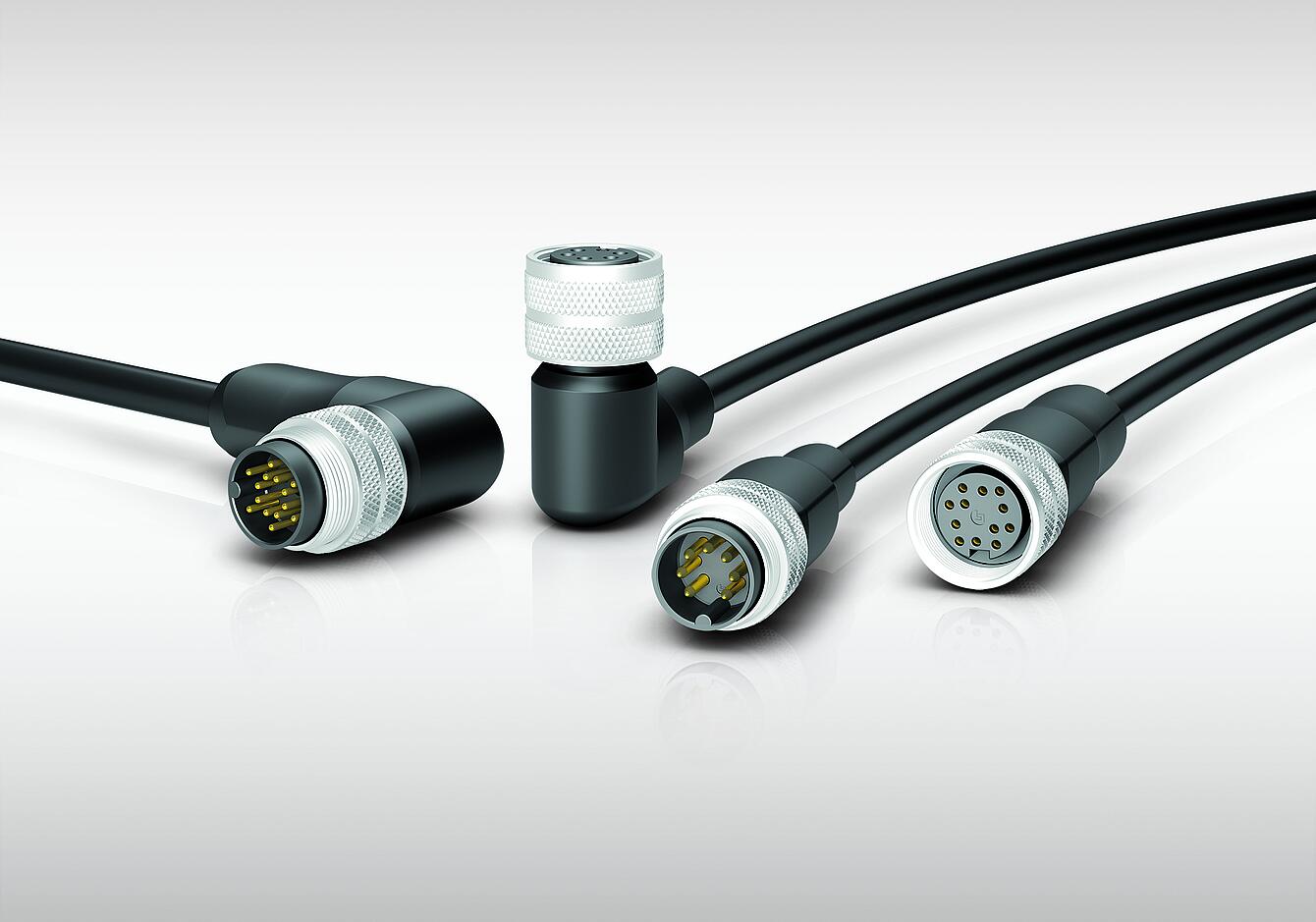
TPE-U combines elastomeric flexibility with enhanced mechanical stability. It is well suited for applications that require repeated movement without material fatigue.
- Elastic yet mechanically robust
- Good resistance to mechanical stress
- Suitable for dynamic automation systems
Special TPU – Enhanced Industrial Performance
Special TPU compounds are engineered for extreme industrial demands. They provide superior resistance to oils, chemicals, abrasion, and repeated bending cycles compared to standard TPU.
- Exceptional abrasion and mechanical resistance
- High oil and chemical resistance
- Suitable for high-cycle drag chain and robotic applications
- Ideal for harsh industrial conditions
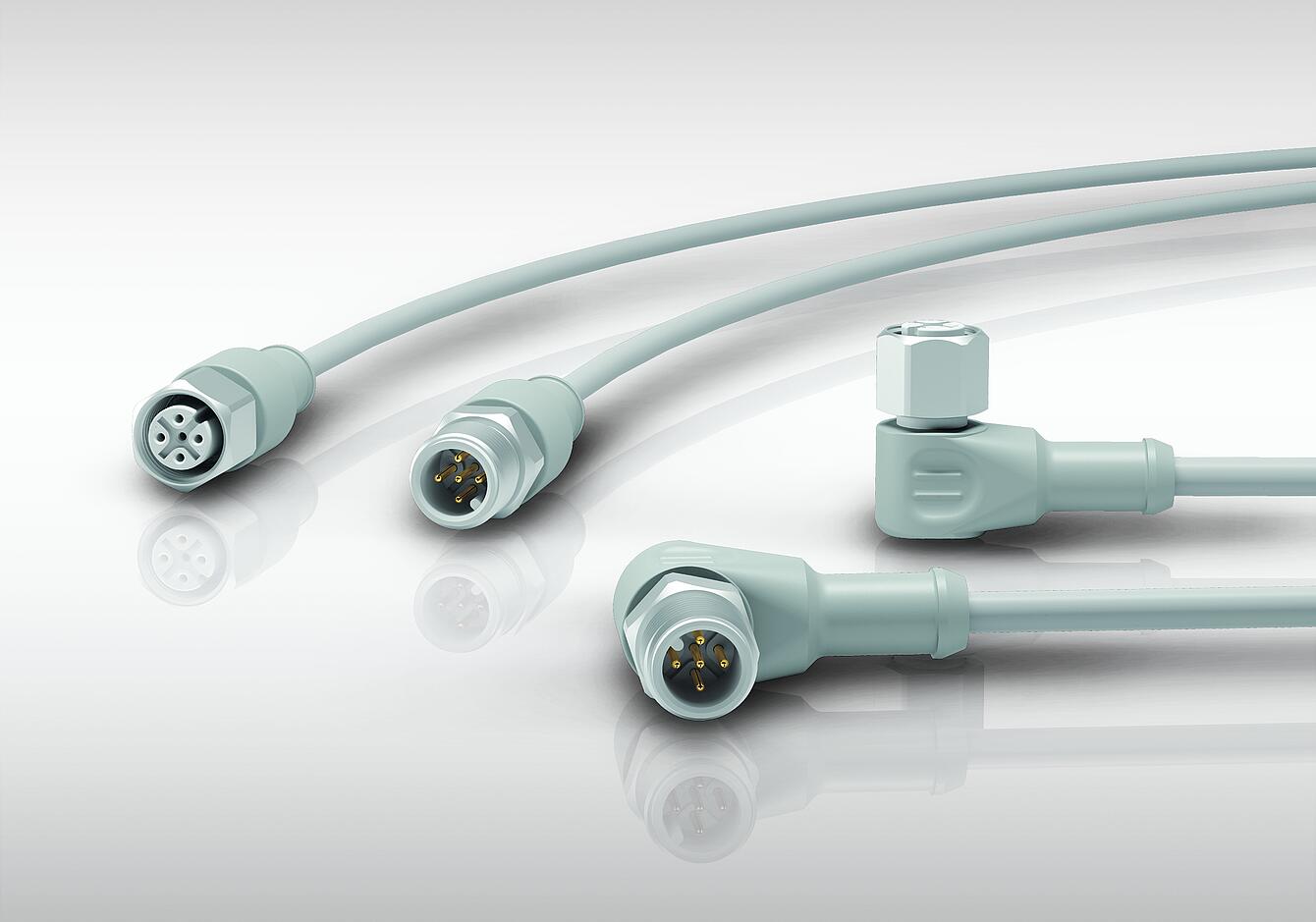
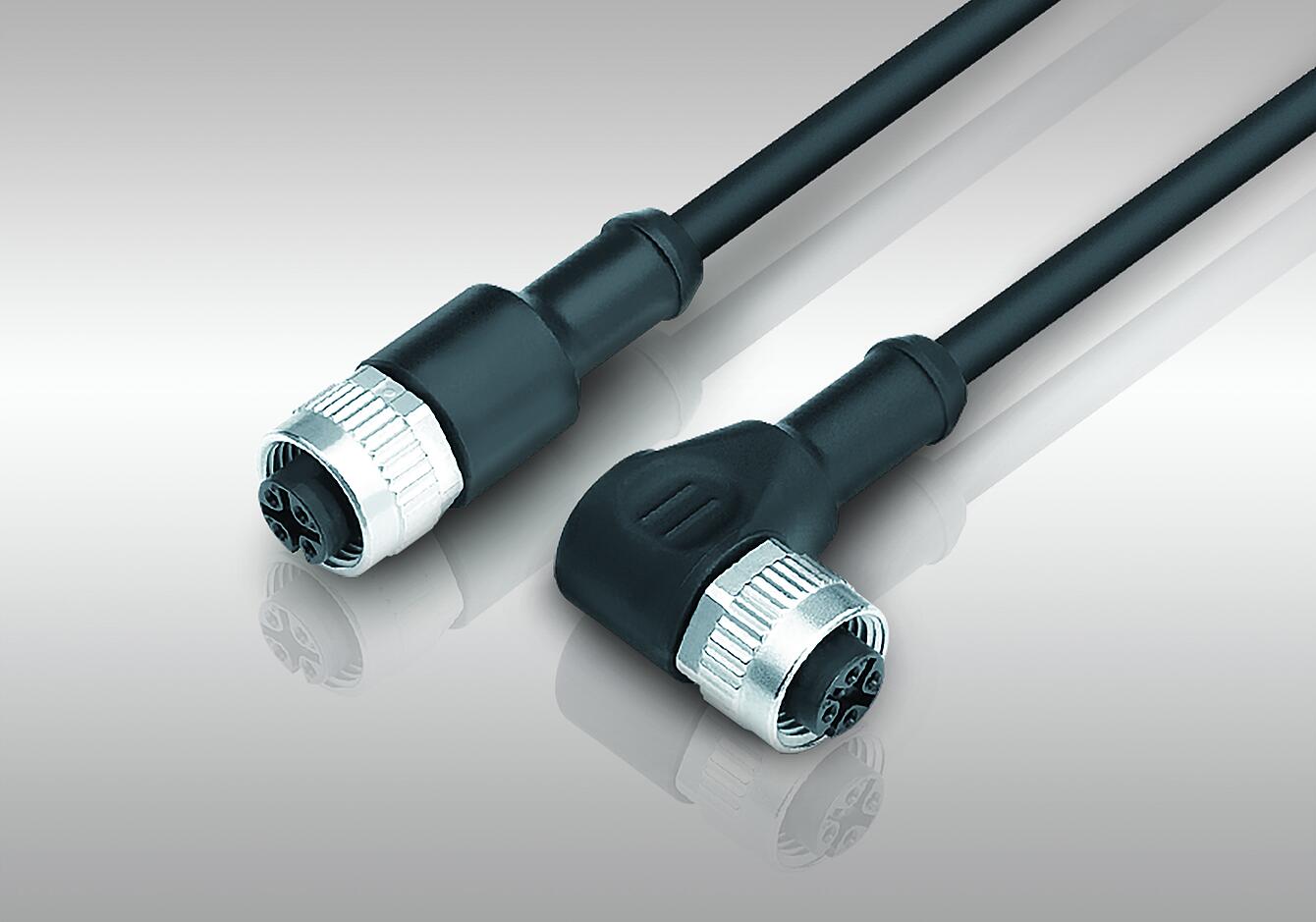
TMPU – Self-Extinguishing Performance
TMPU is a modified polyurethane material with self-extinguishing properties. It is used in applications where increased fire safety is required alongside mechanical durability.
- Self-extinguishing characteristics
- Good abrasion and oil resistance
- Suitable for safety-critical industrial environments
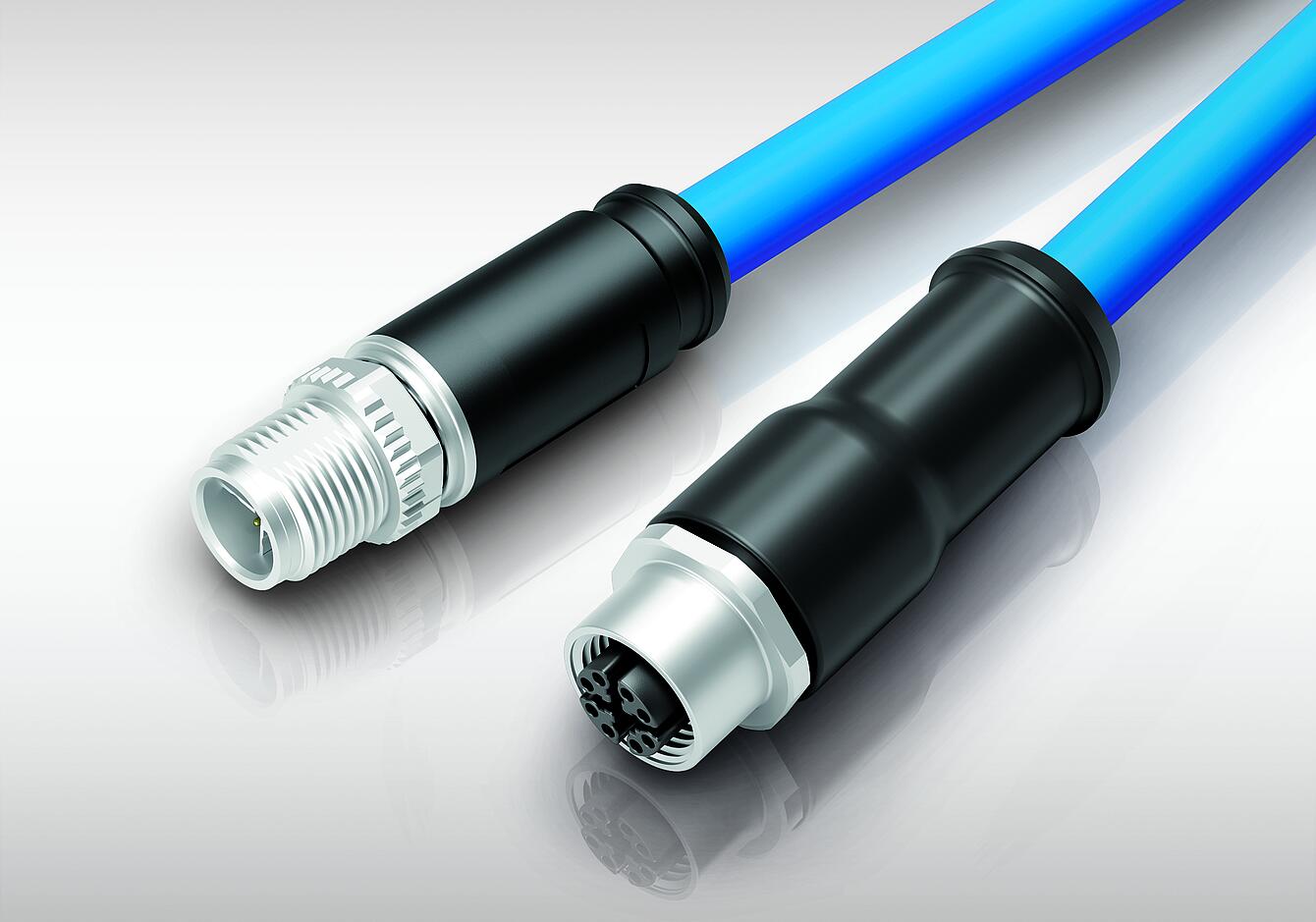
E-Beam X-FRNCL / LSNH – Fire-Safe Applications
Electron-beam cross-linked, flame-retardant, low-smoke, non-corrosive materials are designed for installations with strict fire protection requirements.
- Flame-retardant and self-extinguishing
- Low smoke and non-corrosive gas emissions
- Ideal for confined spaces and safety-sensitive installations, rail industry, and outdoor use
Certifications & UL Classifications – The Basis for Approval
For the North American market, UL classifications are essential. They define where cables may be installed and which safety standards they must meet.
PLTC – Power-Limited Tray Cable
- UL 13
- Designed for control and signal circuits
- Approved for installation in cable trays
- Typical applications: industrial automation, machinery, factory systems
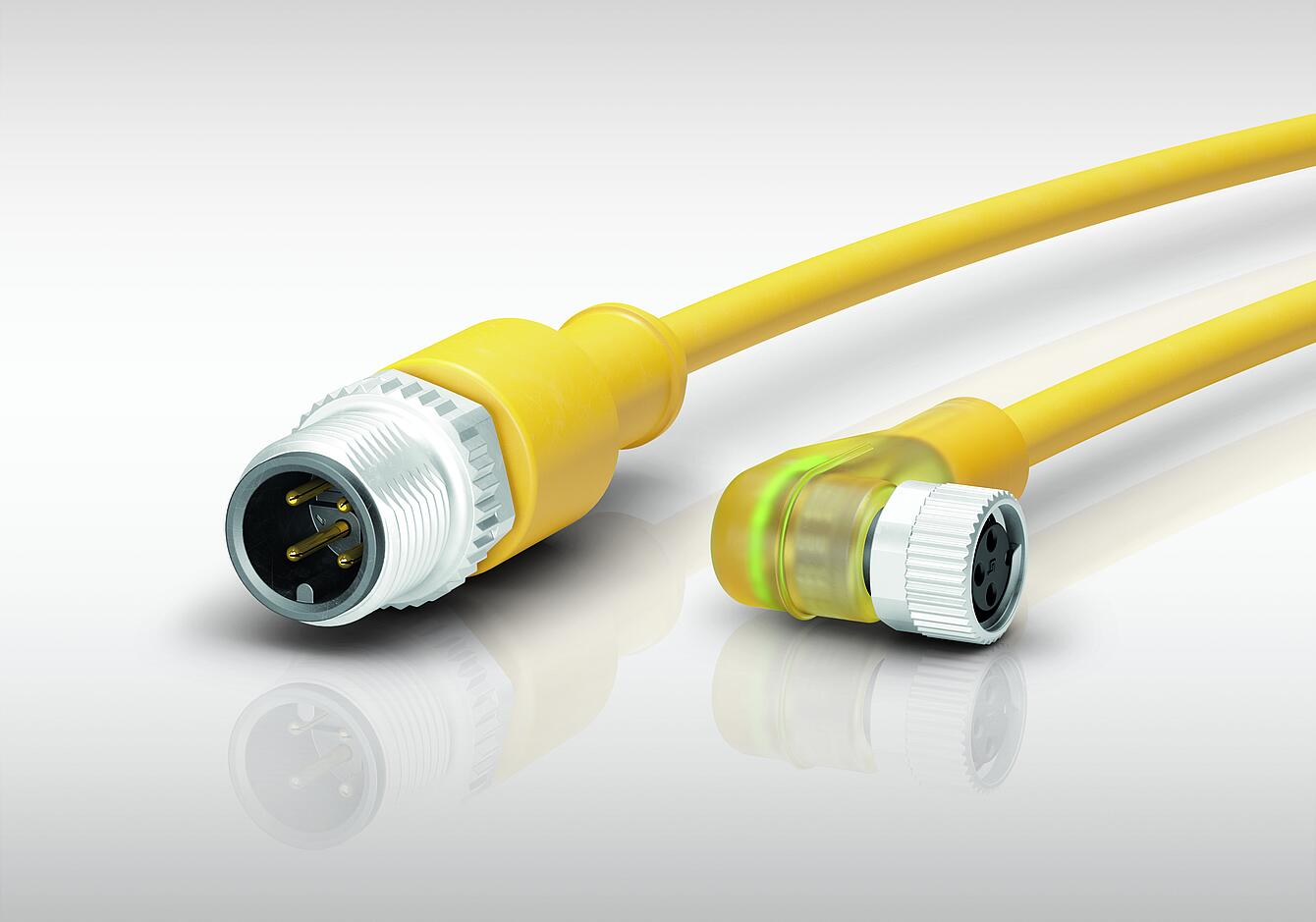
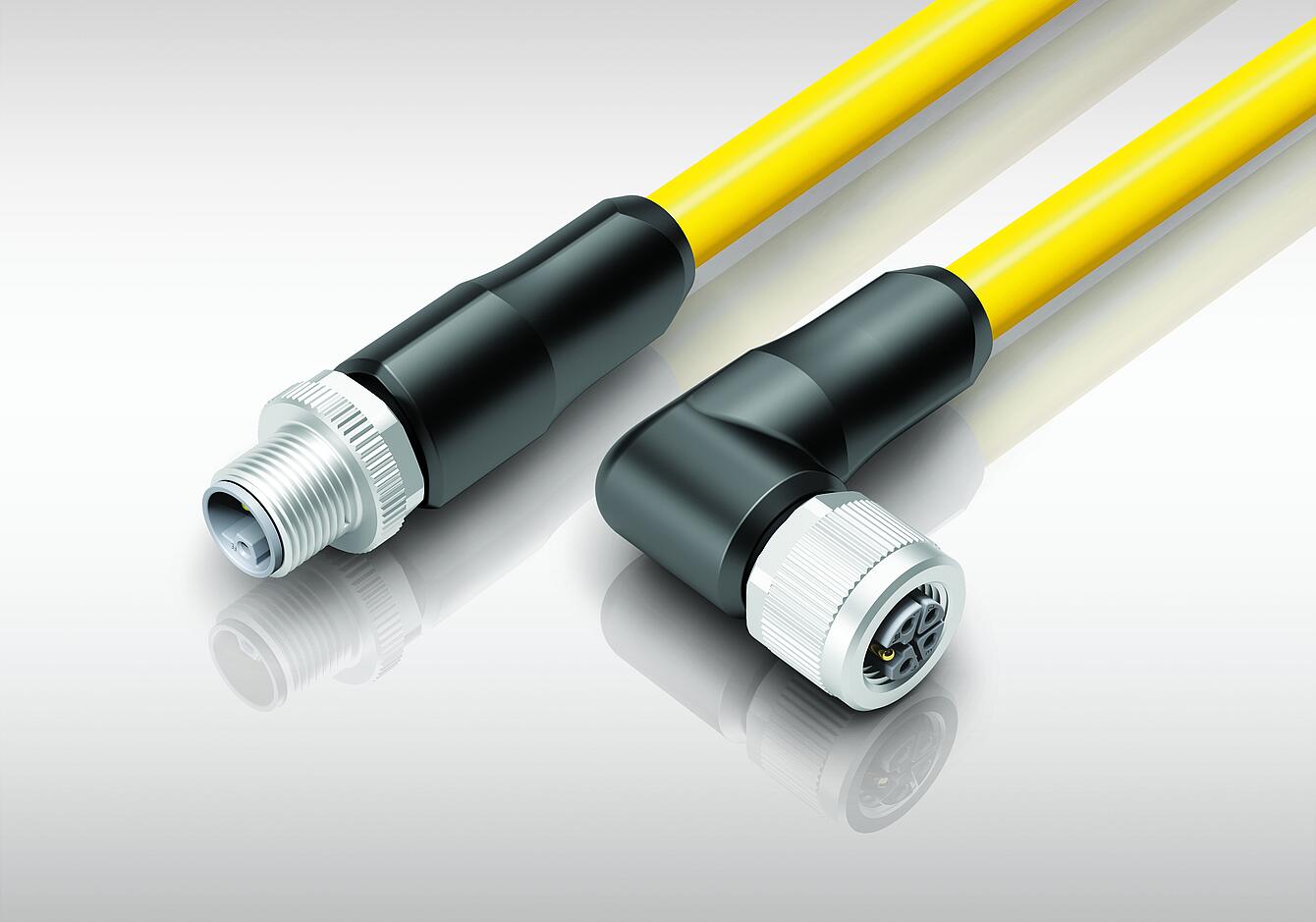
TC-ER – Tray Cable, Exposed Run
- UL 1277
- Designed for exposed or concealed installations
- Suitable for power, control, and signal circuits
- Can be installed in cable trays, conduits, or directly in walls
- Resistant to sunlight and oil, suitable for industrial environments
CMX (UL Communications standards)
- UL Standard: UL 444 (Communications Cables)
- Designed for low-voltage communications and data transmission
- Suitable for indoor or limited-use installations (typically in walls, conduits, or plenum spaces depending on variant)
- Supports control signals, sensor data, and industrial network communication
- Typical applications: PLC networks, building automation, sensor systems, machine-to-machine communication
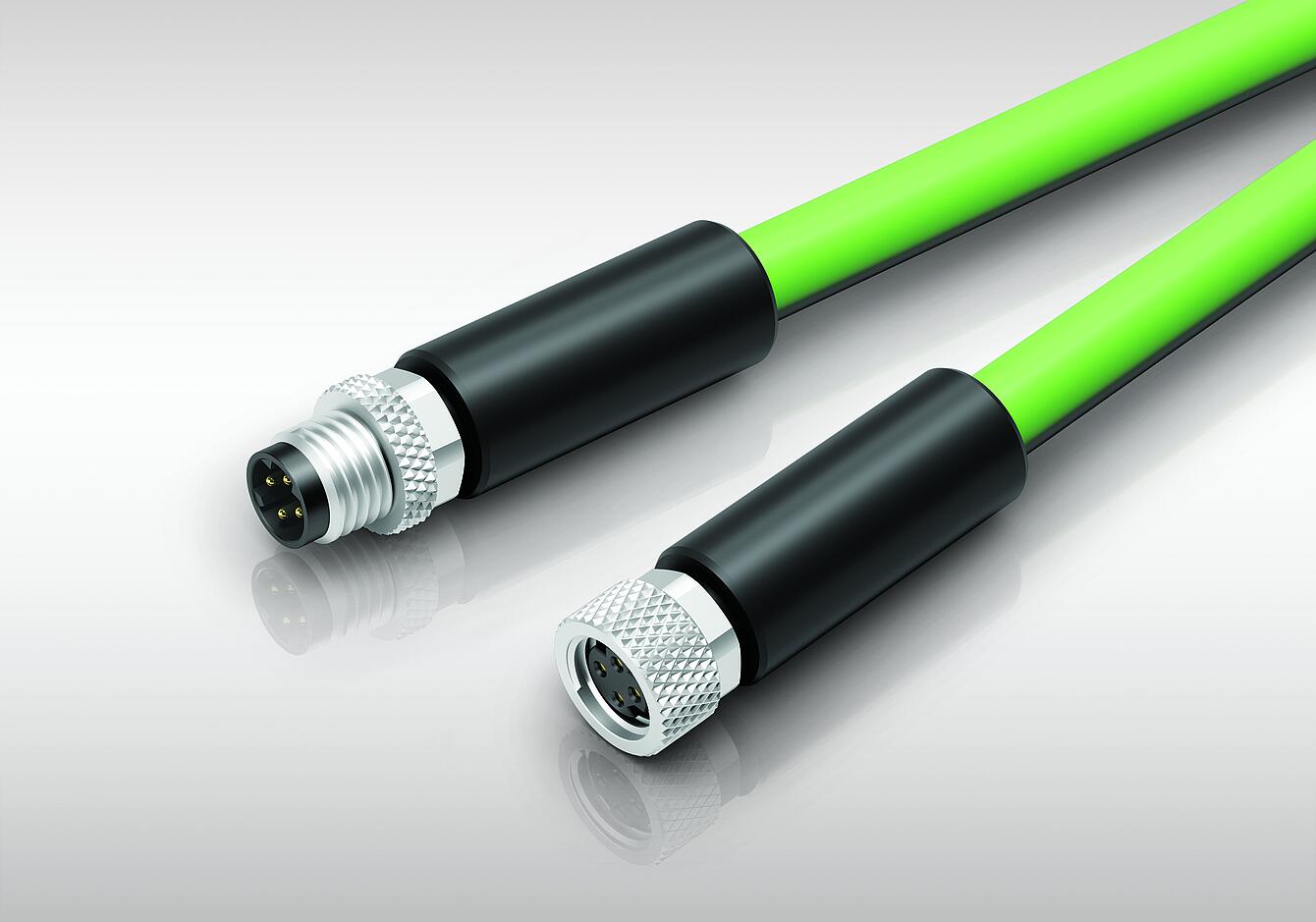
How Cables and Connectors Work Together
A cable can only deliver its full performance when the connector is designed to match its mechanical, electrical, and regulatory requirements. In industrial environments, cables and connectors must be considered as a system. Mismatches can compromise safety, signal quality, and even invalidate certifications.
Mechanical compatibility
The connector must securely accommodate the cable jacket and conductor structure. Different jacket materials place different demands on strain relief and locking mechanisms.
- Robust jacket materials such as PUR or TPU often require reinforced strain relief
- Continuous-motion applications demand vibration-resistant locking systems
- Incorrect clamping can lead to jacket damage and premature failure
Electrical compatibility
Electrical ratings must align across the entire connection to ensure safe and reliable operation.
- Connector voltage and current ratings must match or exceed those of the cable
- Proper contact design is essential to prevent overheating and voltage drops
UL / CSA compliance
For UL-certified installations, compliance is only achieved when both components meet the required standards.
- Cable-side and connector-side approvals must align
- A PLTC- or ITC-certified cable remains compliant only when paired with an appropriate connector
- Non-compliant connectors can invalidate the overall system approval
EMC performance and signal integrity
Signal quality depends on the correct interaction between shielded cables and connector design.
- Shielded cables require EMC-optimized connectors
- Proper 360° shield termination reduces interference
- Especially critical for ITC and instrumentation applications
Movement and environmental exposure
Environmental and mechanical influences must be considered at the connector interface.
- Drag chain cables require secure, screw-locking connectors with high vibration resistance
- Outdoor applications demand UV-resistant materials and appropriate IP protection
- Industrial environments require resistance to oil, moisture, and temperature fluctuations
This system-level approach ensures reliable operation, long service life, and compliance with industrial and regulatory requirements.
Why the Interaction Matters
The correct combination of cable and connector ensures:
- Reliable operation under vibration, oil exposure, moisture, heat, or cold
- Compliance with UL-certified systems
- Stable, EMC-safe signal transmission for sensors, actuators, and data lines
- Longer service life of cable assemblies
- Reduced maintenance effort
- Minimized downtime and operational risk
Choosing the wrong connector can invalidate a UL certification or lead to premature system failures.
Conclusion
Cable jacket materials define mechanical and environmental performance. Certifications such as PLTC or ITC determine where and how a cable may be installed. Only the correct combination of cable type, certification, and compatible industrial connector results in a reliable, compliant, and long-lasting connectivity solution.